 by Dawn Magee
February is one of the most important “signal” months in Nova Scotia real estate. It’s the bridge between winter behaviour (slower, more cautious) and spring behaviour (more listings, more urgency). When you layer February’s MLS results across the Nova Scotia real estate market with what’s happening nationally—interest rates holding, inflation easing but not gone, and a job market that’s still uncertain—you get a clearer picture of what buyers, sellers, and builders should expect in the months ahead.
This update covers Nova Scotia real estate (Entire MLS) plus the main regions of Halifax–Dartmouth, Annapolis Valley, and South Shore, with an added focus on new home construction—including the Northern Region, which is showing strong new-build inventory and lower prices (often tied to location and local demand patterns). It also highlights national factors still influencing buyer behaviour—jobs, inflation, interest rates, and the renewed risk of energy-driven inflation tied to escalating Middle East tensions.
The February Market in One Sentence
Halifax–Dartmouth’s February “closed home sales” reflect demand that was already in the pipeline earlier in winter, while the Annapolis Valley real estate, February surge in “pending home sales” suggests fresh home buyer niches of downsizers, retirees’ momentum that likely becomes March/April closings stats.
February 2026 MLS market snapshot: what we’re seeing region by region
Nova Scotia (Entire MLS)
February shows a market that is still moving, but highly segmented by region and price band. Years ago the ‘spring’ market was typically in spring, as in April, but the past few years, the spring market has been happening earlier. January is typically slow, new listings started coming to MLS about 2 weeks into the new year. Demand is present, yet affordability continues to shape buyer behaviour—especially in higher price corridors.
What it means right now:
A stable buyer baseline with spurts of momentum. If rates remain steady and spring inventory doesn’t surge too sharply, pricing in Nova Scotia will stay supported—especially for prime location, well maintained and well-priced homes.
Halifax–Dartmouth: tight supply, durable demand
Halifax–Dartmouth continues to operate as Nova Scotia’s most supply-constrained region. Even when the broader market cools, HRM often cools “less,” largely because the region has the province’s highest concentration of employers and job-driven moves.
What it means for home buyers:
- Expect faster decision, turn over cycles on well-priced listings.
- New construction is active here; value is often found in builder incentives (included upgrades, closing flexibility) more so than dramatic price reductions.
What it means for home sellers:
- Correct pricing and great presentation, promotion are key.
- “Testing the market with higher list prices” can backfire—homes that sit tend to lose urgency and make buyers question if there are issues with the property.
What it means for new home builders:
This is where new construction sales are typically the healthiest. If the new home aligns with today’s buyers reality (financing, efficient layouts, smart specs), it tends to move.
Annapolis Valley: pending sales jumped; momentum is building
The Annapolis Valley is flashing one of the clearest signals in February: pending sales rose meaningfully, suggesting buyer commitments picked up during the month. That often indicates a stronger March/April closing pipeline.
A practical interpretation of buyer mix (a likely driver, not a certainty):
The Valley often attracts downsizers, retirees, and interprovincial movers seeking lower price points, larger lots, and a lifestyle shift—so when activity picks up here, it can reflect that value-and-space proposition getting more attention.
What it means for home buyers:
- Your best options may come early, with the spring market starting sooner.
- If pending’s remain strong into March, this may eat up inventory and then negotiation room can shrink for the most desirable properties.
- As global stage is in in flux, stay on top of lender for notifications of mortgage changes.
What it means for home sellers:
- Buyers are engaging. Listing early in spring can capture momentum before inventory peaks.
- Prep matters: clean, staged, and priced-to-market wins faster when buyers get active.
- While sale prices are stable and still breaking records, waiting for a 2022 spike before listing will be fruitless.
What it means for new home builders:
- If the buyer pool is value- and lifestyle-driven, product that performs tends to include practical layouts, main-level living options, storage, and energy efficiency.
- Pricing must be pragmatic, as buyers are not looking to housing as the ultimate investment or retirement plan.

South Shore: more home buyer leverage (and patience pays)
The South Shore is currently the region where buyers often have the most leverage—inventory is higher relative to demand, and decision cycles can be longer. More seasonal; from employment and tourism to seasonal and second homes.
What it means for home buyers:
- Negotiation opportunities are more common: price, conditions, repairs, inclusions, and timing.
- Less new construction and new construction is sitting longer here, which can open the door to incentives. Lower tax brackets away from coastline communities.
What it means for home sellers:
- Buyers have options—so sellers must “earn” the sale through presentation, pricing, and promotion.
- Great homes still sell, but average listings can sit.
What it means for new home builders:
- Longer DOM usually means slower turn over; sharp value positioning matters, such as quick turn around
- The best performers often align with local lifestyle demand (storage, durability, energy efficiency, functional floor plans).

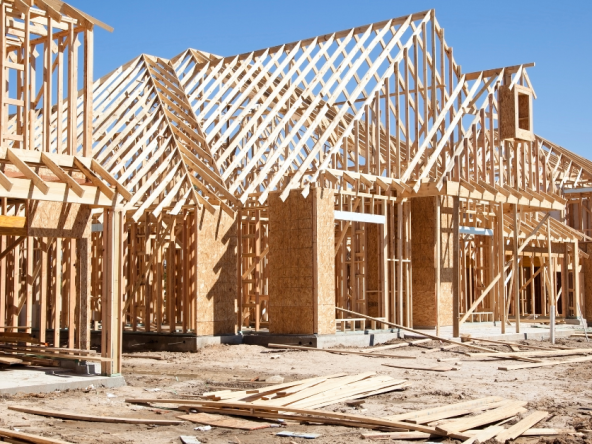
New home construction across Nova Scotia (including the Northern Region)
New builds deserve their own lens because they’re priced forward—reflecting materials, labour, financing, and carry costs—and because incentives can show up in ways not visible in headline price alone.
Your February new-construction snapshot shows:
- Halifax–Dartmouth with the highest volume of active new builds and the strongest sell-through.
- South Shore with longer days on market.
- Annapolis Valley with moderate volume and steady movement.
- Northern Region standing out for strong active inventory and lower average pricing—often tied to location and local demand conditions.
Why the Northern Region matters right now
The Northern Region’s new construction profile is a genuine value story:
- More attainable price points due to smaller footprints
- Solid volume of listings (including semis)
- Typically, longer selling timelines (more price sensitivity)
Translation for buyers: more home for the money—especially for value-seekers, remote workers, or buyers prioritizing home features over proximity to Halifax.
Translation for builders: demand is there, but it’s more price-sensitive; semis and efficient plans often align best.

National factors shaping what happens next: jobs, inflation, and energy risks
Even local markets don’t move in isolation. Three big national forces continue to influence Nova Scotia housing behaviour:
- Inflation is lower than it was—but not gone.
Easing inflation helps affordability in theory, but folks aren’t feeling the easing, in their pocketbooks and have tightened spending accordingly. GDP has ticked up, in part due to decline in manufacturing as business are using up existing inventory. - The job market is adjusting.
Not collapsing—but uncertain. Government is stepping back from propping up the employment numbers. When households feel uncertainty, they become more rate-sensitive and value-focused, especially in higher priced housing regions. Now seeing reverse FOMO people are holding off on purchases. - Geopolitical energy risk is back in focus.
Just as tensions are easing from tariffs, escalation involving Iran can impact oil prices and supply chains. If energy prices remain elevated for long, or without immediate central bank moves, energy-driven cost pressure can affect household budgets and buyer confidence.
February summary: What this means for buyers, sellers, and builders
Home Buyers: Halifax–Dartmouth remains the most competitive, while South Shore and the Northern Region often offer more negotiating room and value (especially in new builds). The Annapolis Valley’s pending-sales lift suggests momentum in the mid range home market—buyers may want to move early if they see the right property.
Home Sellers: Strong outcomes still come from correct pricing and standout presentation. Halifax–Dartmouth remains the most resilient for demand, while South Shore sellers benefit from pre-sale investment, sharper pricing and better prep to stand out.
Home Builders: Halifax–Dartmouth continues to show the best absorption, especially in the Montebello area of Dartmouth. The Valley’s strengthening pendings signal opportunity for the right product. West Hants Municipality continues to lead in new construction. The Northern Region is a value-driven new-build market with solid inventory—best served by efficient designs and price-aware positioning.
FAQ (5 questions Buyers & Sellers are asking right now)
1) When is a good time to list my home in Nova Scotia?
A good time to list is when you can combine readiness + market timing. February and early spring can be strong because serious buyers are active before peak spring inventory arrives. In tighter regions (like Halifax–Dartmouth), well-priced listings can perform anytime. In higher-inventory areas (like parts of the South Shore), timing matters more—listing when your home shows at its best and your pricing is precise is often the difference-maker.
2) What are the first steps to buying a home?
Start with three items:
- Financing plan: speak with a lender/broker and secure a realistic pre-approval.
- Needs vs wants: location, property type, commute/lifestyle, and “must-have” features.
- Market knowledge: compare solds, active competition, and days-on-market patterns in your target communities so you know what “fair value” looks like.
3) What should I ask a REALTOR® before I choose one?
Ask questions that reveal strategy and execution, such as:
- How will you price and position a home (or structure an offer) in my specific area and price bracket?
- What would you look for in comparable sales, and how do you adjust for condition, lot, location, and upgrades?
- How do you handle multiple offers or negotiation when a listing has been sitting?
- What’s your communication style, and what decisions do you need from me at each stage?
4) I keep hearing “pending sales” are up—does that mean prices will jump?
Not automatically. Rising ‘pendings’ indicate more buyers are committing now, which can tighten conditions if inventory doesn’t rise at the same pace. Prices typically respond most on homes that are:
- properly priced,
- well-presented,
- and in high-demand segments (turnkey, good location, functional layout).
5) How do gas prices and global events affect local housing?
They affect housing mainly through household budgets and inflation expectations. If gas prices rise sharply and stay elevated, that can reduce discretionary spending, increase commuting costs, and keep inflation concerns elevated—sometimes influencing mortgage-rate expectations. The impact is usually indirect, but it can meaningfully shift buyer confidence and affordability at the margins.
Want a market-specific report for your area and price range?
Connect with Dawn Magee for a focused consult tailored to your region—whether you’re buying, selling, or evaluating a new construction move. You’ll get a practical read on negotiation leverage, pricing strategy, and what the latest MLS signals mean for your next step.
👉 Call or message Dawn Magee to book your local market consult.