
The Ultimate Home Seller's Checklist: How to Get Your Nova Scotia Home Market-Ready
If you’ve decided you’re ready to sell your home in Nova Scotia, the next question is always the same: where do I start, what are my next steps to getting my home listed and sold.
Nova Scotia’s real estate market has shifted over the past year. Home sales across the province are taking longer to sell and are averaging around 50 days on market, up from 45 a year ago, and sellers are landing closer to 97% of their asking price instead of the full number — but only when that asking price was right to begin with. With roughly 5.6 months of inventory sitting on the market provincially, buyers have choices again. That means the homes that sell quickly and for top dollar are the ones that are genuinely ready before the first showing, not the ones playing catch-up after a lukewarm entry into MLS.
Here’s the checklist I walk every home seller through before the home goes live on Nova Scotia’s MLS. I have also compiled the Ultimate Book of Checklists for Home Sellers that has a checklist for every stage of the Selling process from deciding to sell to the final walkthrough.

Why Preparation Leads to Higher Offers
A buyer touring a market-ready home makes an emotional decision fast, then justifies it with logic. A buyer touring a home that still needs work spends the whole walkthrough doing math in their head — repair costs, moving hassle, what else might be wrong that they can’t see. Every dollar they mentally set aside for “fixing it later” is a dollar they subtract from their potential offer price. Preparation isn’t about perfection. It’s about removing the reasons a buyer talks themselves out of your asking price.
“Too Much Work” is the most common reply by Buyers viewing properties that have visible updating or finishing. Sometimes it is more about the effort required to do the work or hire contractors, not just about cost. Buyers don’t have the time or know how to do the work. Time equals money for todays buyers, they are willing to pay top dollar for move in ready.
Decluttering and Staging: What to Do Before Listing
Break decluttering into four simple categories — keep, donate, recycle, trash — and work through the house room by room rather than trying to tackle everything at once. A workable pace looks like this:
- Storage areas first (closets, junk drawers, kitchen and bathroom cupboards) — this is where clutter hides and where buyers open doors during a showing
- Living spaces next (bedrooms, living areas, knick-knacks and personal collections) — the goal is a neutral space a buyer can picture themselves in, not a tour of your family history
- Garage, attic and outbuildings last — these get skipped and then become the thing a buyer notices on their way out
If something’s broken and won’t realistically get fixed, or it can be replaced for under $5, it goes. The hardest part of this process usually isn’t the physical stuff — it’s the emotional attachment to the home itself. You can pack the memories. You’re not leaving them behind.
Many homeowners are hanging on to items for other family members. Whether mementos from childrens’ childhood, things left behind by children or family keepsakes- there comes the time to stop storing other peoples stuff.
Send out notice to your family members to come collect their things by a certain date, otherwise you will have to dispose of it. If they don’t care enough to come collect it then you shouldn’t care enough to keep storing it.

Small Fixes That Make a Big Difference
Buyers’ interested in a home will eventually ask about the same handful of things, so it’s worth getting the answers before your list. Age of roof, oil tank age, panel amperage, and whether any wood-burning appliances were installed by a WETT-certified technician. Even if you have it insured, a new insurance broker may require an updated WETT certification before allowing a Buyer to use it.
Having the mechanical systems serviced prior to listing helps you address and fix anything that may become an issue upon a Buyers home inspection. If you’re on a well, service or shock it before listing, and replace sediment filters or UV bulbs older than a year — banks generally want to see a clean (0 counts on e.coli and coliforms) water test before financing a mortgage. None of these are glamorous updates, but a buyer who isn’t worried about them is a buyer who’s free to focus on how much they like the house.
ROI-Smart Upgrades (and Ones to Skip)
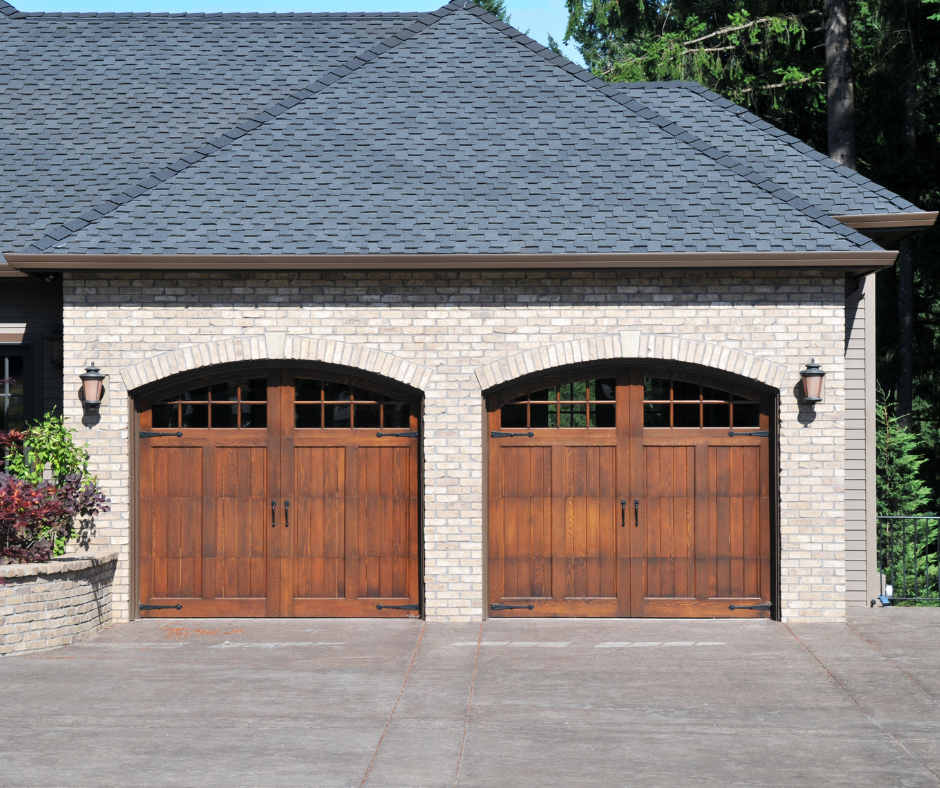
Recent Cost vs. Value data consistently shows exterior “replacement” projects — garage doors, entry doors, siding — recouping more of their cost than almost anything else you can do, because they’re the first thing a buyer judges before they’ve even parked. Inside, a minor kitchen or bathroom refresh (updated fixtures, lighting, a clean coat of paint) reliably outperforms a full gut renovation on return. Energy-efficiency upgrades — newer windows and doors, a heat pump, sealed drafts — are also landing well with today’s buyers, who are thinking hard about ongoing costs.
Where I’d tell a seller to hold up, is big-ticket renovations that push their home into a different price bracket. In a market with 5.6 months of supply, you’re not just competing on condition anymore — you’re competing on price bracket, and a bigger number due to this investment can put you up against homes with more square footage or land for the same money.
Another warning I give are to know your skill set. One of the biggest setbacks sellers can face in sale price is DIY gone wrong. Not only do sellers lose money on the offer price due to shabby work but loose the money they invested in that upgrade they tried to do themselves. Cut corners here and it will reflect on the whole house as it leads the Buyers to question what else was poorly or cheaply maintained.
Always best to consult with a REALTOR before doing any upgrades or getting house ready for market, as an experienced REALTOR will know what the majority of Buyers prefer and are willing to pay the most for.
Curb Appeal: The Power of First Impressions
Most buyers form an opinion before they’re out of the car. Fresh paint on the front door, tidy landscaping, updated exterior lighting, and a clean, decluttered entryway do more for perceived value than almost any interior project, and they’re some of the least expensive items on this whole list. I have a video on improving your curb appeal tips for under $100.
Having great curb appeal can increase your sale price by 7%. And it sets the tone for the rest of the showing. From a trip hazard on the walkway to offensive smelling boxwood plants bordering your entry, take an unbiased look at how a buyer may experience your property for the first time. Or better yet, have a REALTOR come by and assess where to make improvements.
Final Steps Before Listing
Before we schedule photos, gather anything a buyer’s lender or lawyer might ask for down the road: the last 12 months of tax bills, any septic, building or occupancy permits, surveys, warranties, and appliance manuals. Having these ready doesn’t just save time later — it signals to buyers that this is a well-maintained, well-documented home, which is exactly the impression we’re going for.
Once your home is genuinely market-ready, the next decision is who’s going to sell it for you: Yourself? Discount brokerage? REALTOR®? And what should you look for as the minimum for expertise and service. Stay tuned for next blog about what to look for in a REALTOR®.